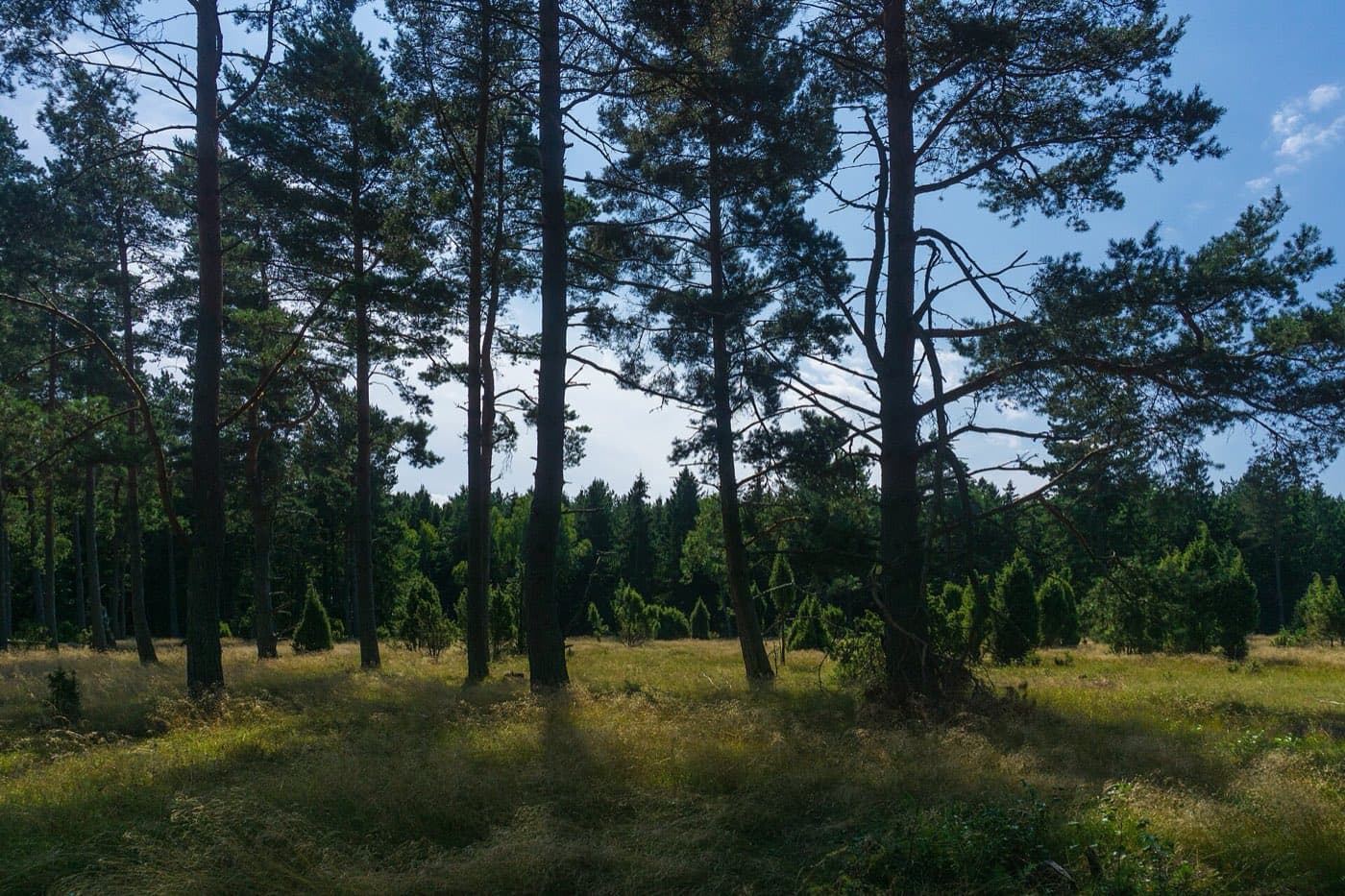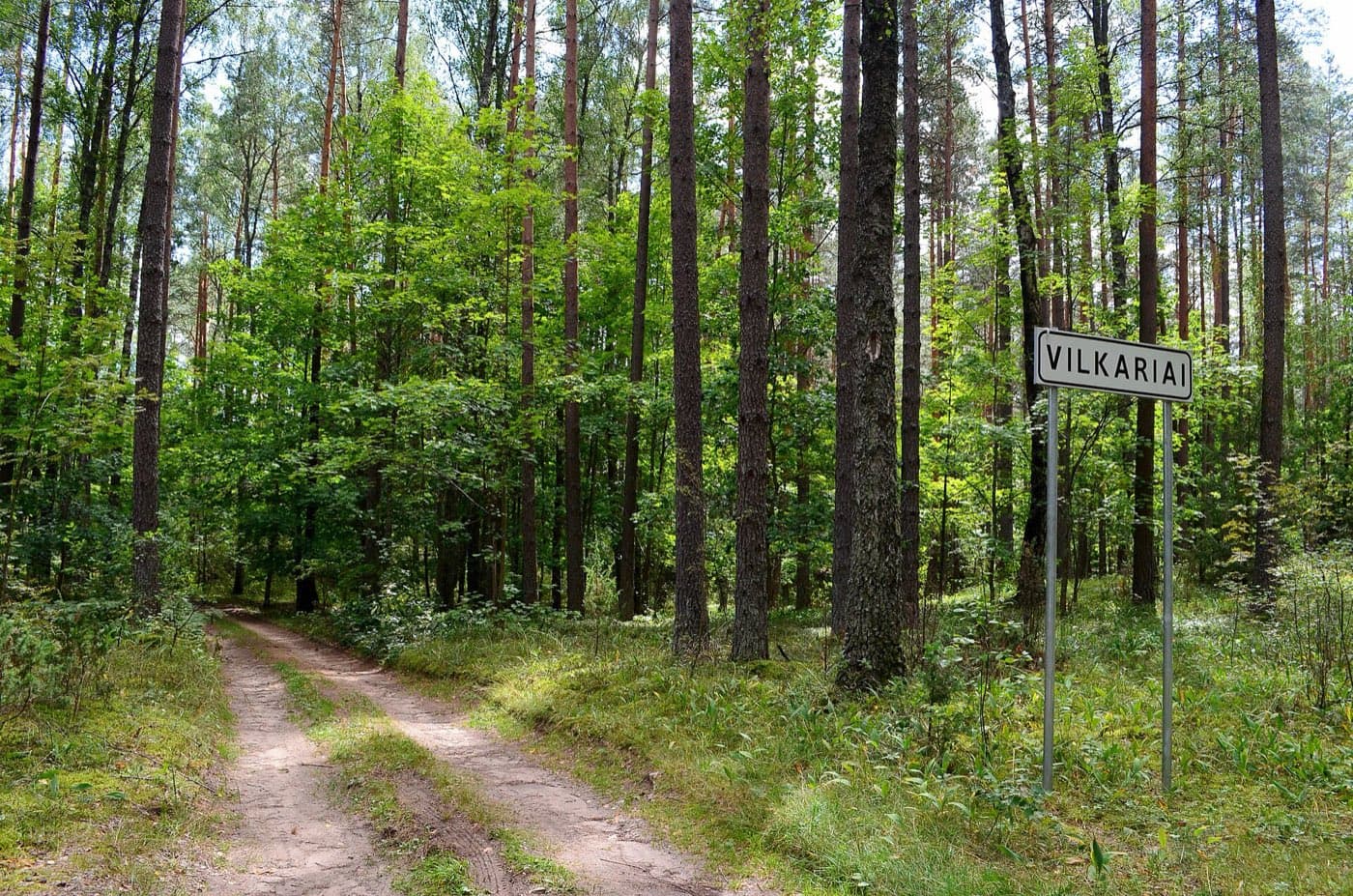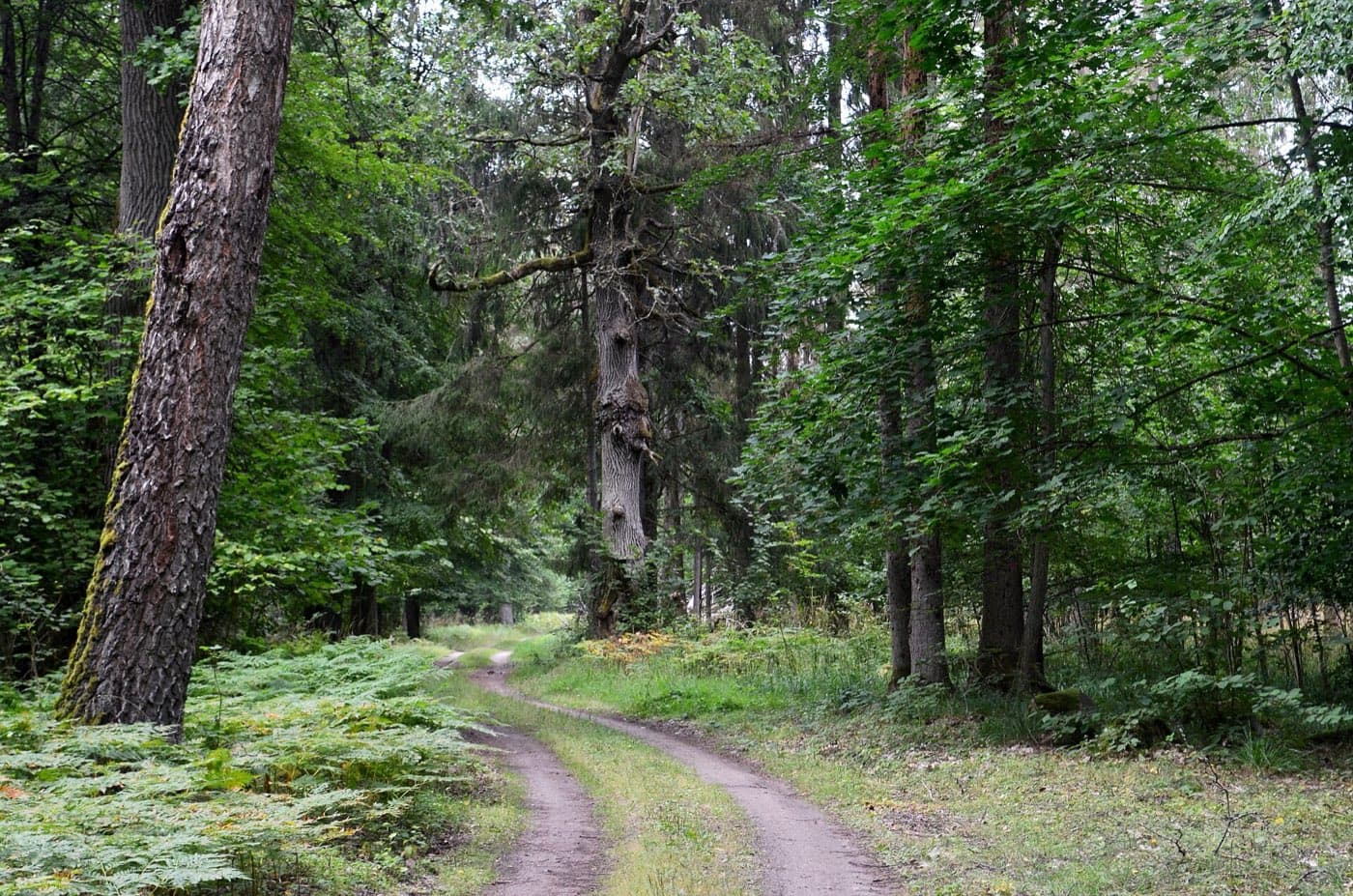
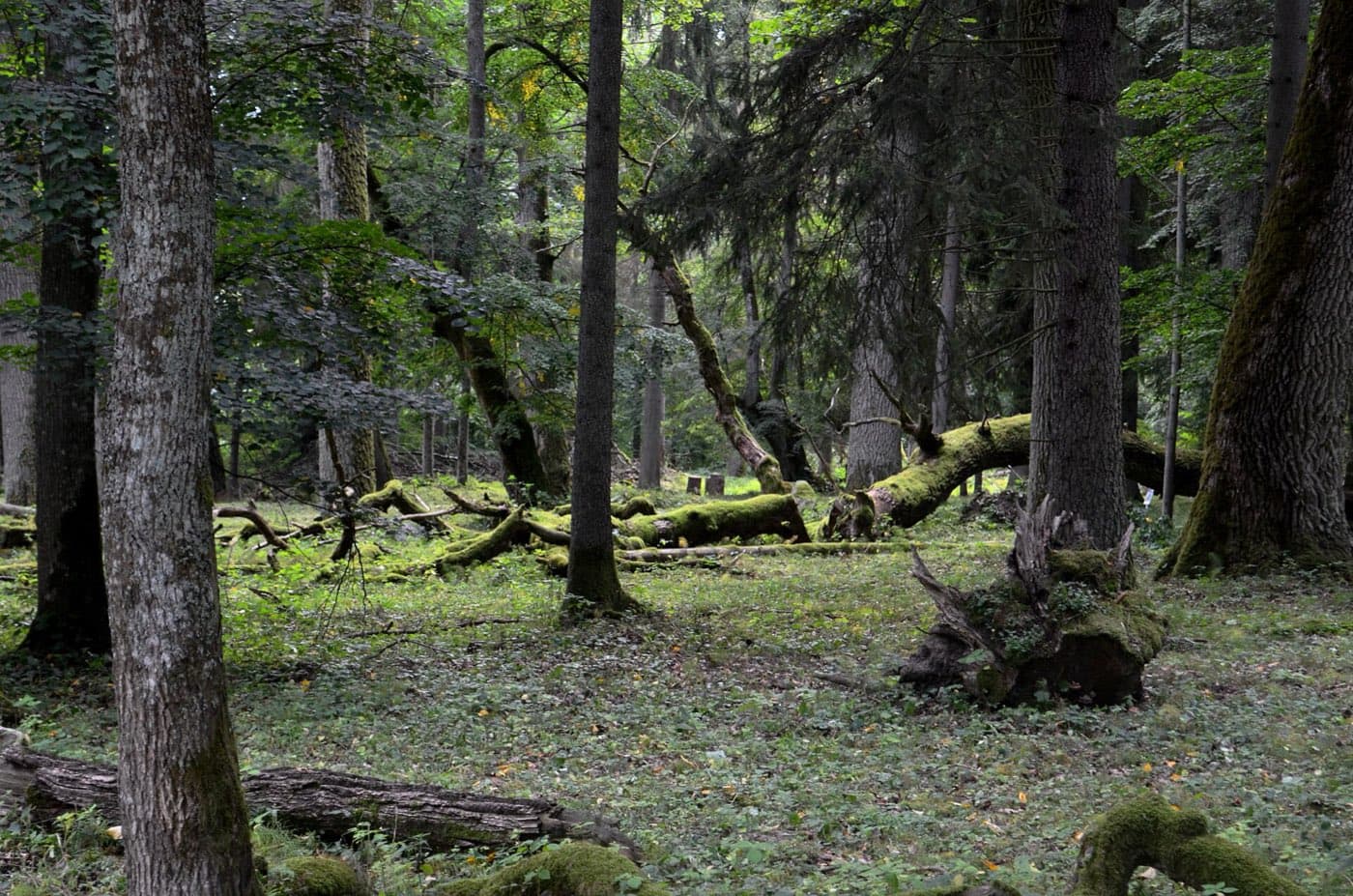
Travelling around Lithuania, we notice that it really has a lot of forest. Its beauty is most striking in spring and summer when it turns green – that greenery merges with the meadows to create one wonderful picture of nature.
Although all forests look alike, under the Forest Law there are 4 forest groups. If you are going to buy forest, find out which group it belongs to – this determines what can be done in it.
Reserves
The aim of management in reserves is to let the forests grow naturally. Felling is prohibited except in the cases provided for in the Law on Protected Areas and the reserve regulations. Dead trees are quite common in such forests, and foresters are sometimes blamed for the untidiness. It should be noted, however, that the owners of such forests receive no income.
Special-purpose forests
These are ecosystem protection forests: forests of various sanctuaries located in state parks, as well as recreational forests intended for leisure. The aim of management is to shape and preserve a recreational forest environment. Stands in poor sanitary condition or damaged by natural disasters or biotic factors are removed by selective or clear sanitary felling. Stands that have reached natural maturity may be felled outside the holiday season. More than half of such forests are state-owned.
Protective forests
These are forests of geological, geomorphological, hydrographic and cultural sanctuaries located in state parks and biosphere monitoring areas. Selective felling and small-area (up to 5 ha) clear felling, thinning and sanitary felling are permitted in them.
Commercial forests
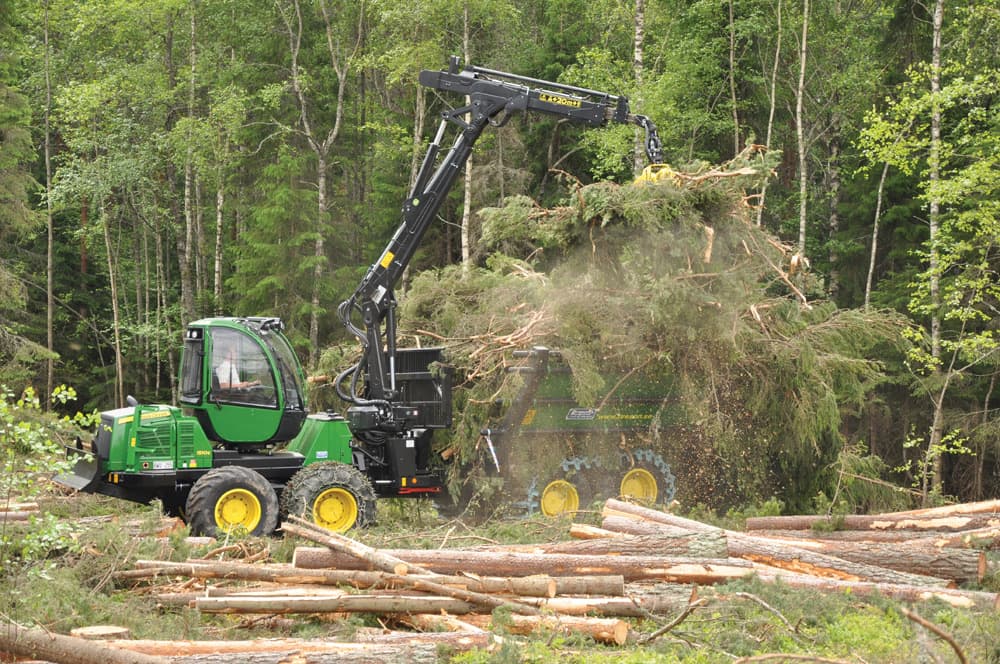
The aim of management is to form productive stands and supply timber continuously while complying with environmental requirements. All types of felling are permitted; clear-felling sites may not exceed 8 ha. Commercial forests make up the largest share in Lithuania, most of them in private hands. Forest managers earn income by selling timber.