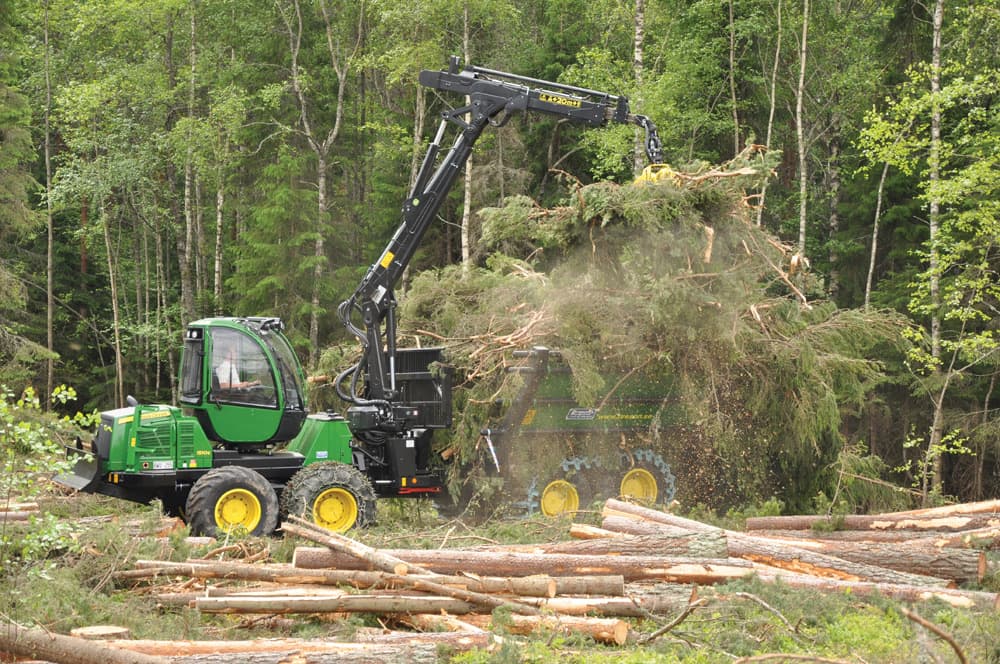
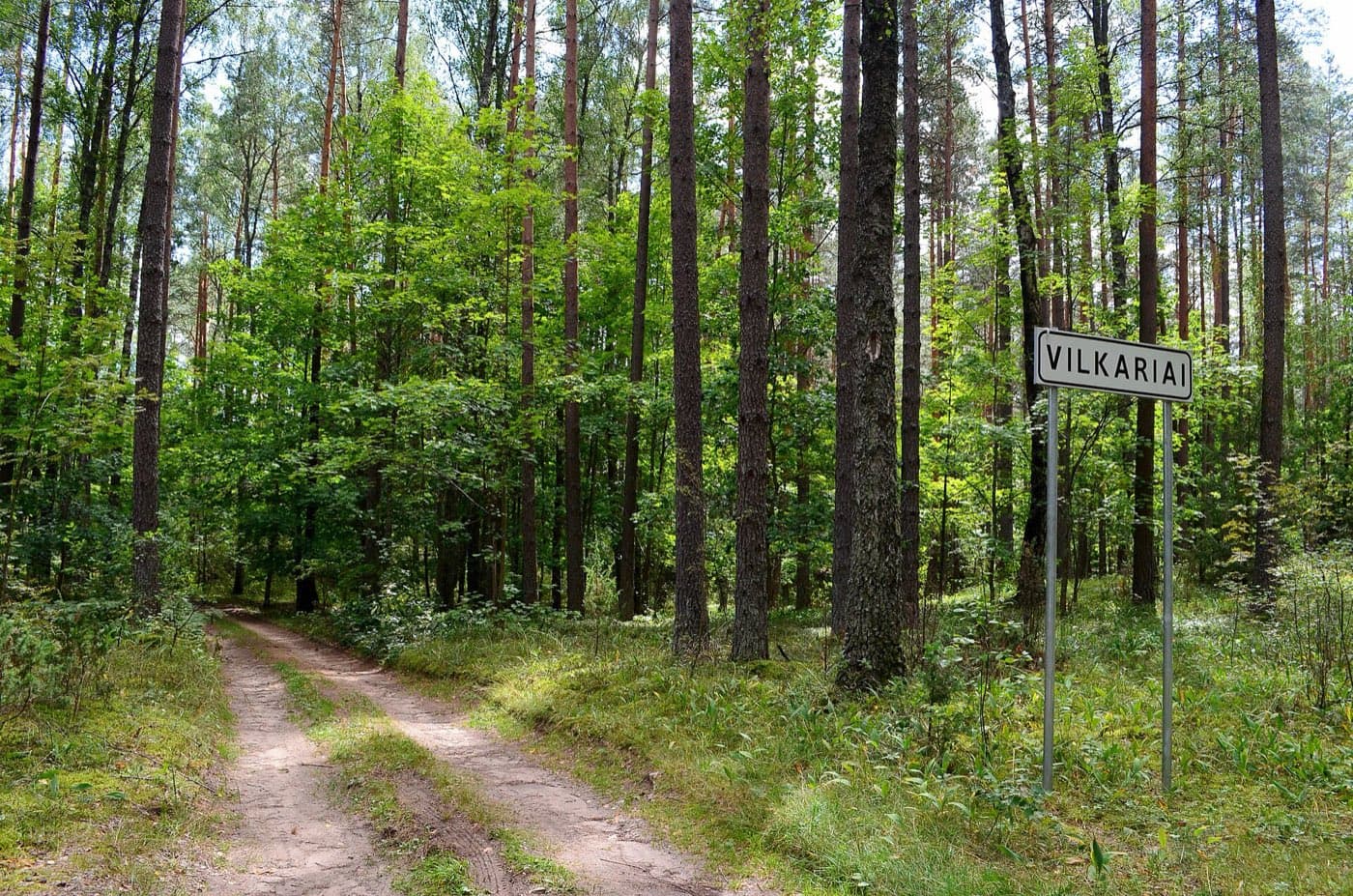
Forests give Lithuania's landscape an indescribable beauty. Forest is good not only for the eyes – it is also our supplier of timber. Many forest visitors wonder: how does private forest differ from state forest?
The immediate answer is: in nothing but the owner. Both private and state forests are managed under the same laws of the Republic of Lithuania. Private forest owners often manage their forests far better than the state does. It is true that private owners are also fined more often for deliberate or unintentional non-compliance with the law. Violations are usually minor: failure to observe sanitary standards, dead trees not felled in time, damaged trees not removed that can become a source of further spread of fungal diseases or pests.
Private owners are not specialists and do not always understand what may happen later, and that is a problem, because an infestation can spread from one forest owner to others. Public officials therefore have to take stricter measures in this regard. It should be noted that many violations are due to ignorance of the law. If you failed to comply with sanitary or fire safety standards, the fine is smaller, but if you felled forest without authorisation, the fine will be considerably larger.
Under the laws of the Republic of Lithuania, every forest owner must look after their own forest: remove dead trees in time, comply with sanitary standards, replant the forest and so on. Environmental officers and foresters only advise them and sign the necessary documents.
Managing a forest is considerably harder for elderly people, however. They often feel forgotten – as do their forests. Rubbish gradually begins to accumulate in such forests and dense scrub takes over. Such a sight, once noticed, brings in the environmental officers, who impose fines. Forest owners very often complain that fines are issued without warning, yet insist that one can come to an agreement with environmental officers. After a violation the forest owner is monitored.
Meanwhile, mushroom and berry pickers do not know the phrase “private forest”. Like their ancestors, they roam freely through forests and woodlands. Many forest owners are unhappy when they find no forest produce in their own forest. But forest produce belongs to all of us, so no forest owner has the right to forbid picking berries or mushrooms.