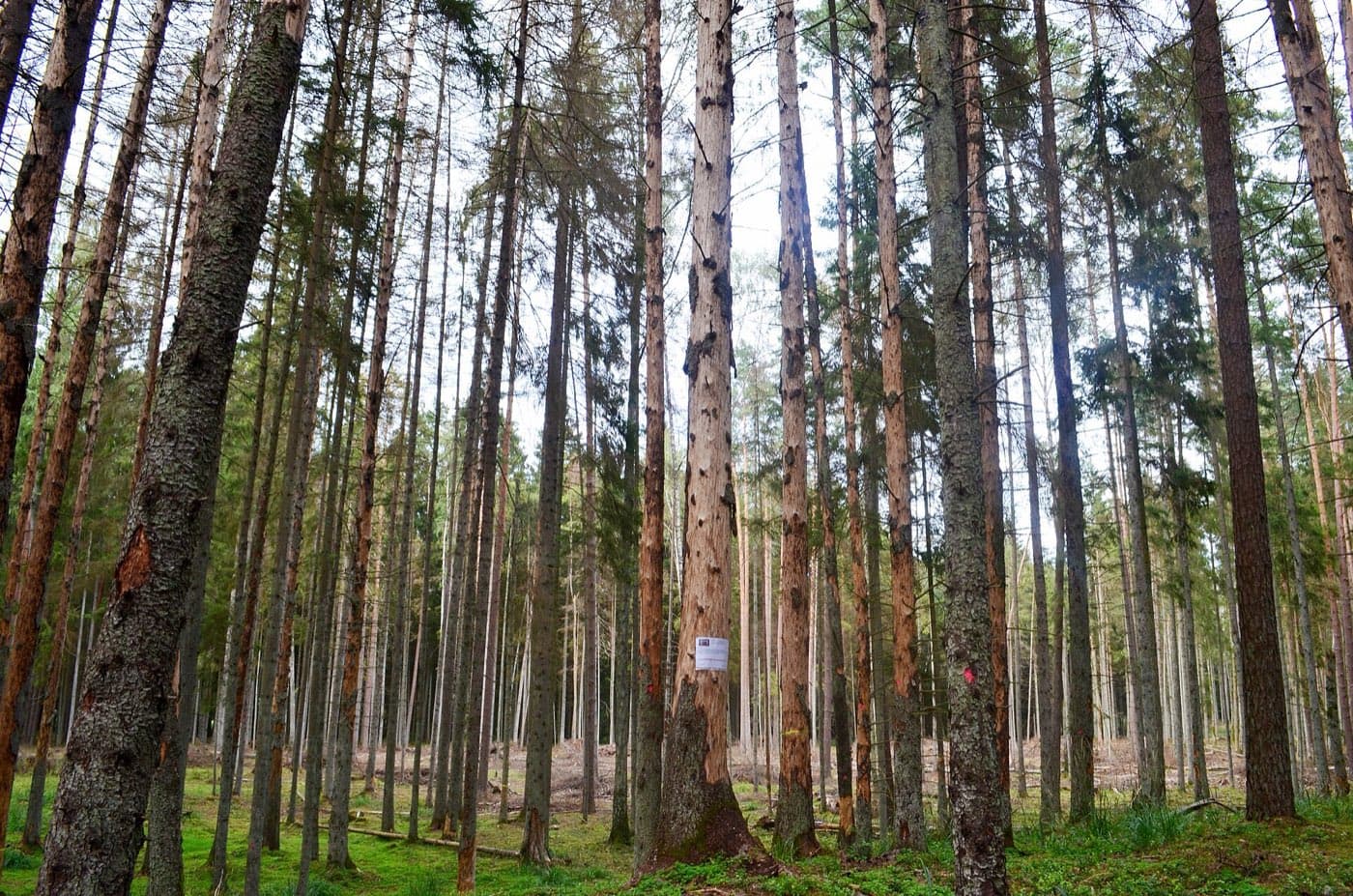
Forest is a national treasure holding the greatest biological diversity of plants and animals. Forests protect the soil from erosion, reduce noise, clean the air, provide food for animals and timber for people.
Preserving valuable forest when it is constantly attacked by pests and diseases, with some trees claimed by fires and broken by wind, is no easy task. Forests need replanting, so it is especially important for private forest owners to know how to care properly for the forest environment.
A forest is considered private when it belongs to an owner by right of ownership. Owners look after such forests themselves or sell them to companies that do so. There is a lot of private forest in Lithuania – about 38% – so its management is strictly defined. The owner must comply with the state-approved regulations on the management and use of private forests and with the Forest Law. Failure to meet the requirements laid down in legislation carries fines.
Prevention and rules matter
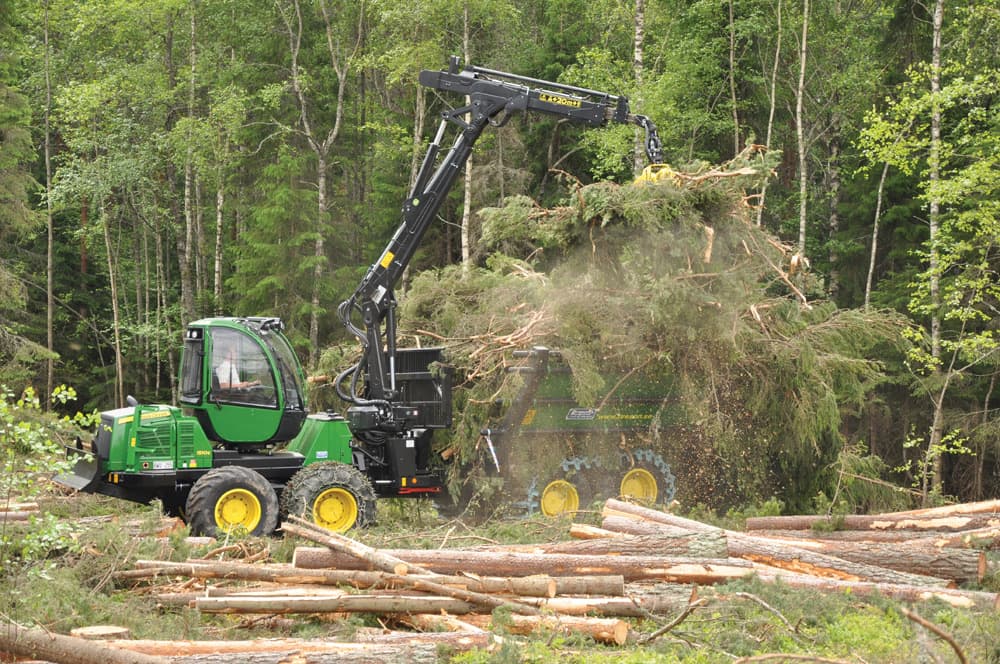
Private owners must care for their forest as for their own home: monitor its condition, protect the forest floor, replant felled areas, cut down dead or wind-broken trees. There is a lot of work and great responsibility – not only towards the people who come to the forest to pick mushrooms or berries, but towards nature itself.
The forest owner must also protect the forest from fires, pests and illegal felling. The main thing is to comply with the requirements approved by legislation. Felling is not allowed at any time: in most cases felling permits are required, in some cases forest management plans, and the owner must have these documents when carrying out economic activity. If the entire forest has been felled, it must be restored within three years. Owners should also allow people to visit their forest holdings freely and let them pick berries and mushrooms. Forest owners are currently managing very well: illegal felling has decreased considerably and restoration is almost one hundred percent.
The greatest danger to forest is fire
In the warm, dry season as many as 4,000 fires may be recorded, so private forest owners must comply with fire safety requirements.
Implementing fire prevention measures means installing firebreaks and fire pits, clearing rubbish from the forest and creating water bodies. When conditions are favourable for fires, it is forbidden to light bonfires or burn rubbish closer than 50 metres from the forest edge. Camping, driving through the forest in vehicles with internal combustion engines, filling up with petrol and discarding flammable objects are also prohibited.
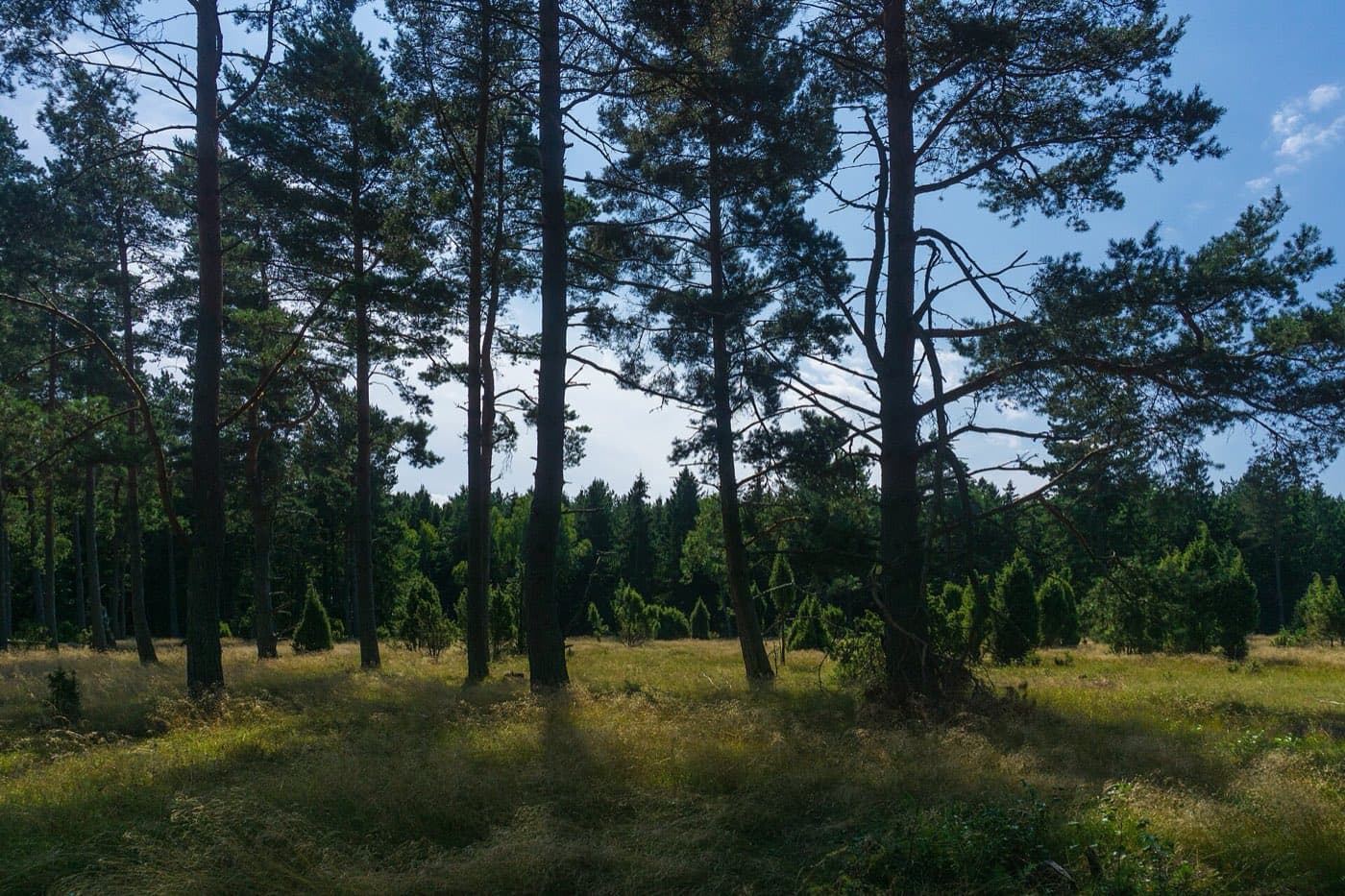
Forests are divided into zones according to which places are fire-hazardous and which are not. Non-hazardous zones are where broadleaves grow and it is damp. Fire is most likely where conifers grow – dry pine forests and, partly, spruce forests. To protect forest from fire, a system of mineralised strips is created in hazardous places: ploughed, loosened soil on which no grass grows, no litter or needles lie and there are no flammable materials. Since fire travels along the ground, a mineralised strip blocks its further spread.
In addition to fire prevention, owners must also comply with forest sanitary protection requirements and take action to prevent pests from appearing and spreading: remove or protect softwood timber from pests, remove felled trees from felling sites, and remove dead and wind-broken trees from stands.